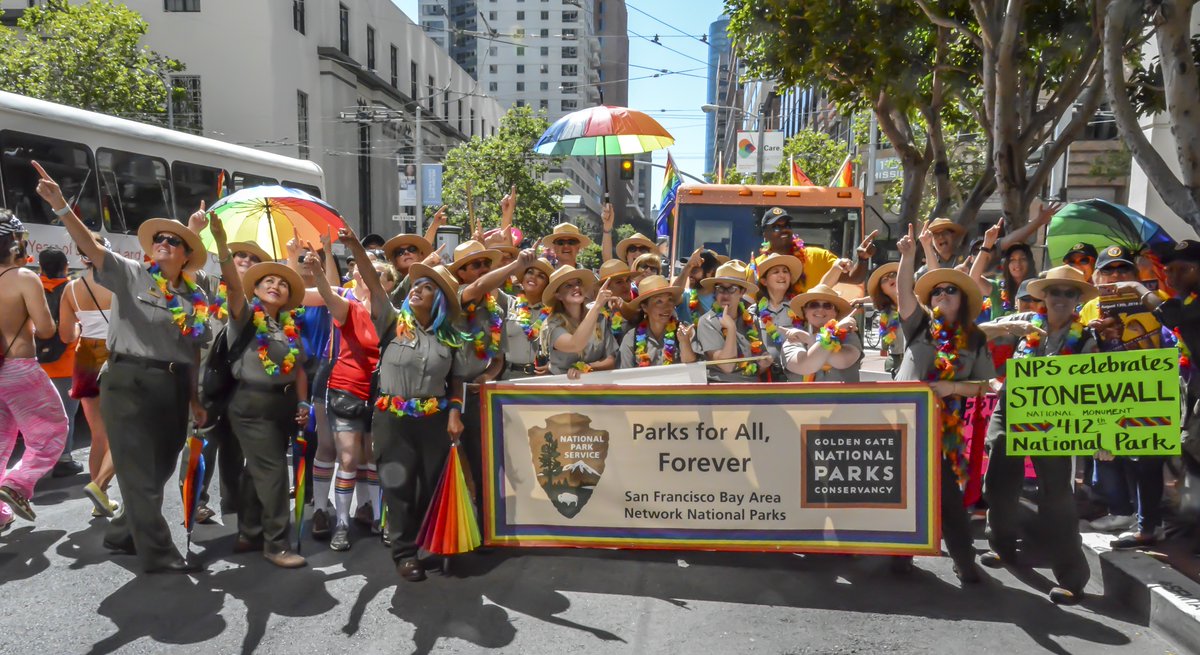
While our national parks work to capture our history and tell our unique American story, often that story ignores the memoirs of our lesbian, gay, bisexual, transgender and queer Americans.
Our National Parks are more committed today than ever to telling the stories of all Americans. Many of the histories of our LGBTQ community can be seen all across the United States. From private residencies to hospitals, parks, community centers, bars and hotels, the voices and stories of this community are available for each of us to learn and grow from.
So let’s celebrate our LGBTQ friends and family! Let’s recognize the rich history this community shares that has too often been ignored. Let’s visit a NPS LGBTQ Heritate Site, Monument or National Historic Park and explore, discover, connect.
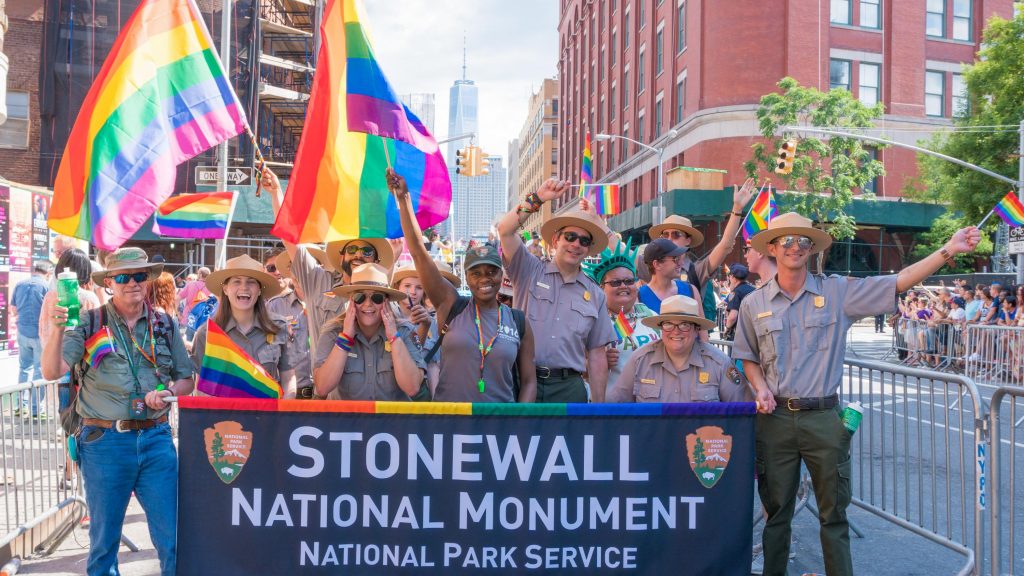
Stonewall National Monument, New York
On June 24th, 2016, New York City’s Stonewall National Monument was designated an official national monument by President Barack Obama. Stonewall is the first monument to be incorporated into the National Park System honoring our LGBTQ heritage.
The Stonewall Inn opened in 1967. It was one of the few bars where the lgbtq community were welcomed and could be served alcohol. The patrons not only represented the rainbow of queer identities, but they also came from the racial diversity of American identities.
On June 28th 1969 as part of a larger pattern of routine harassment, the New York City police raided the Stonewall Inn. This night’s raid was different, on this night the crowd did not disperse when confronted by the police. On this night, the crowd fought back when the police arrested when patrons and employees. Reinforcements from the police department were called and larger numbers of lgbtq members from the local community also joined the conflict. This event marked an uprising in the struggle for the rights of lesbian women, gay men, bisexual and transgender people. Although the stonewall uprising was not the first act of unified resistance by the lgbtq community, it does mark one of the most important catalyst in the modern lgbtq civil rights movement.
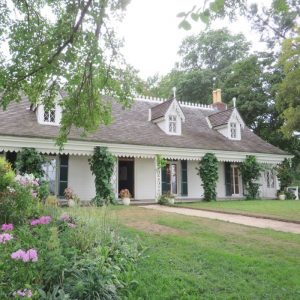
Elizabeth Alice Austen House - Clear Comfort, New York
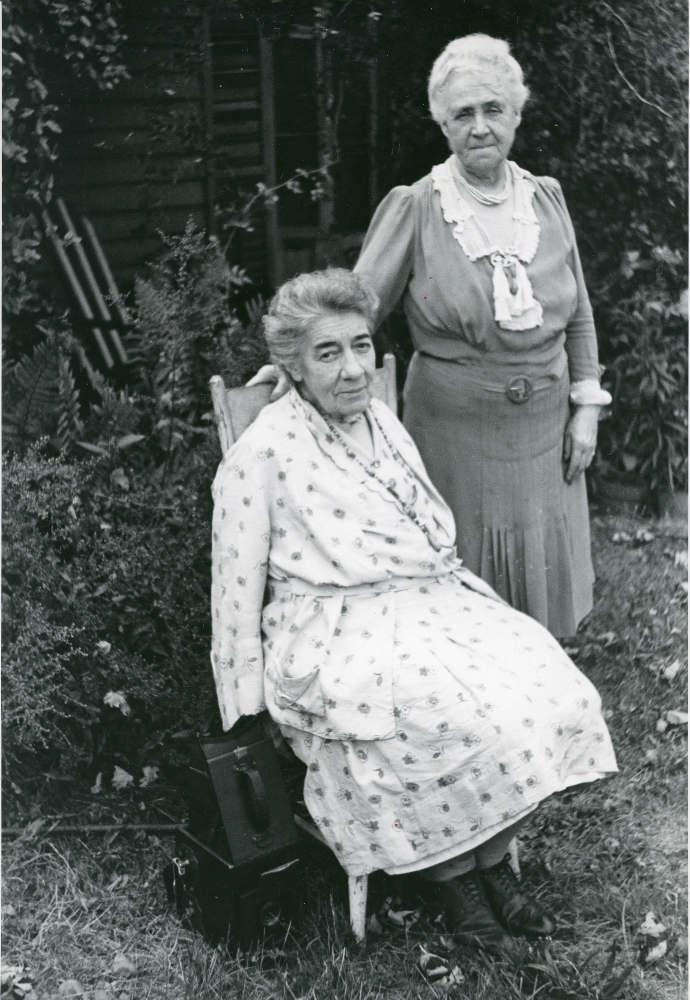
The home known as Clear Comfort is the family home of American photographer, Elizabeth Alice Austen.
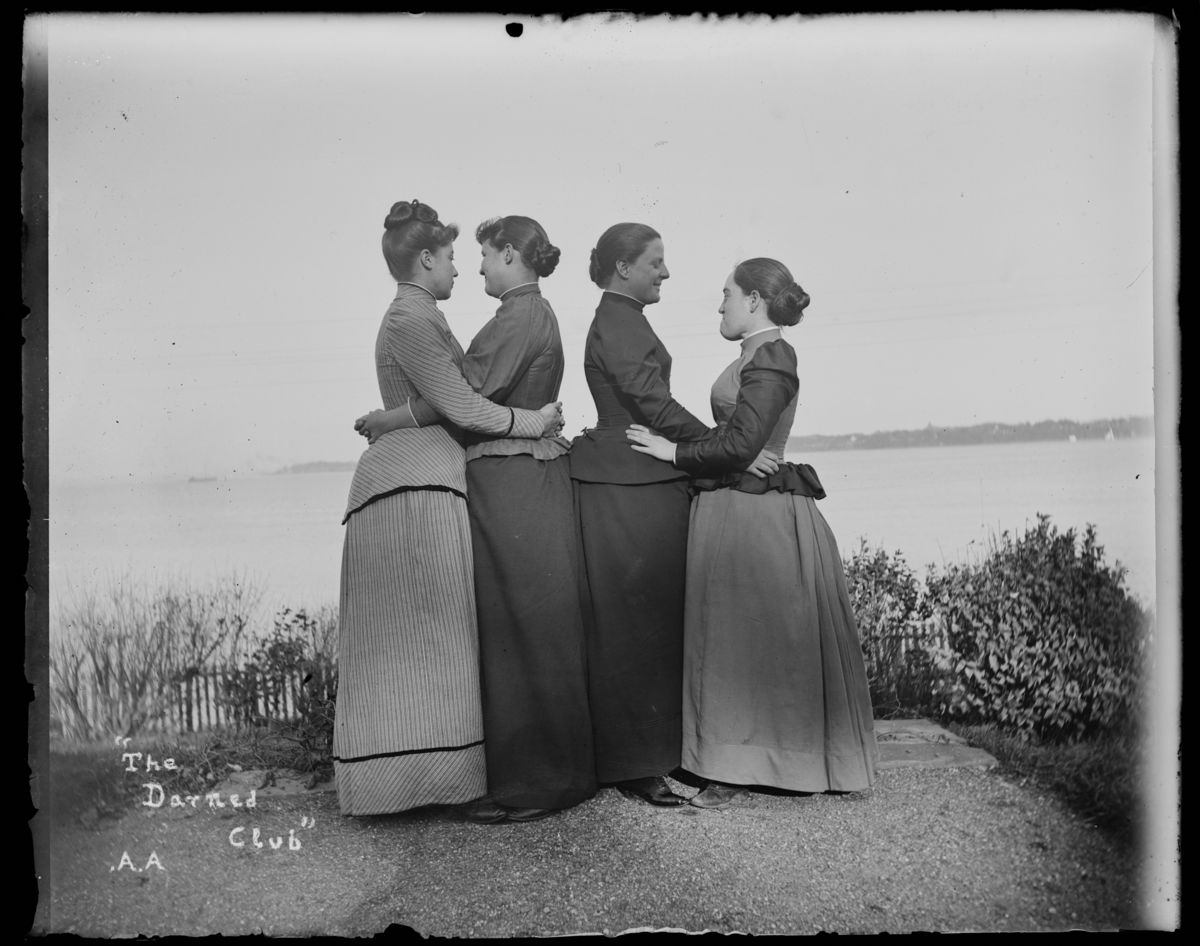
Austen is considered one of the first women photographers to work outside of the confines of a studio. Early in her work she explored the streets of Manhattan photographing immigrants drawing attention to the conditions of their work and living conditions.
Austen shared Clear Comfort for over a quarter of a century with her companion and partner, Gertrude Tate. Austen’s photography grew into an exploration of gender and societal norms. Challenging our perceptions of male and female roles. Although her same-sex relationship and interests were kept veiled for fear that it would damage her professional reputation.
On April 8, 1976 Clear Comfort was designated a National Historic Landmark. On June 20th, 2017 the Austen House was officially designated as a site of LGBTQ history by the National Parks Service.
Pride Guide: An Interactive Workbook
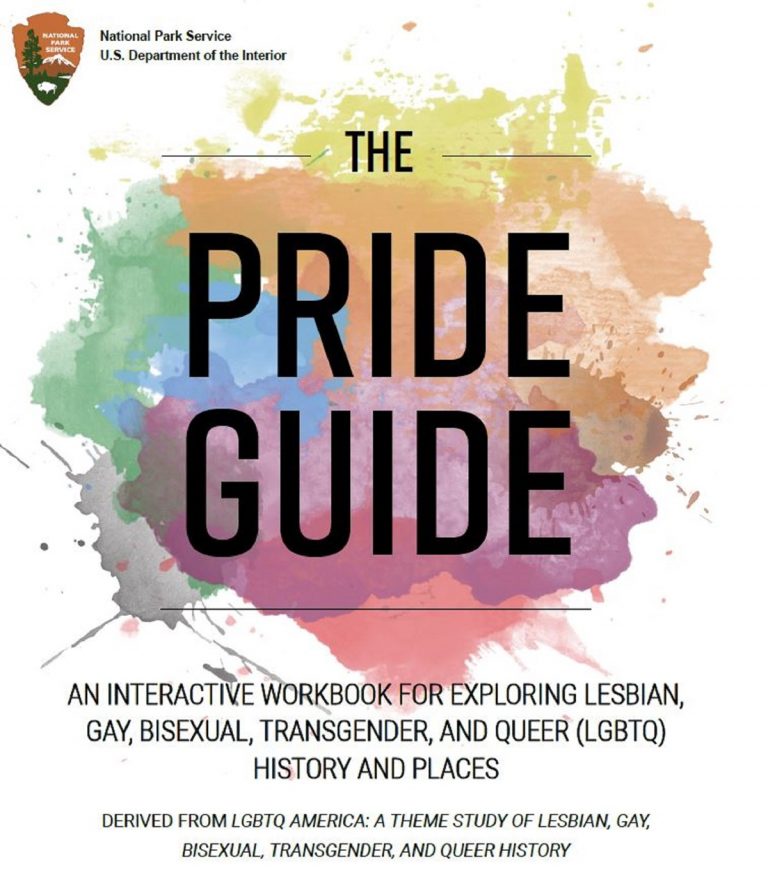
In 2016 the National Parks Service published The Pride Guide. The Pride Guide is an interactive workbook for exploring LGBTQ history and places in the United States.
Each National Park tells its own piece of one of a kind history. this Pride Guide helps move us towards a greater understanding of the places, parks and monuments that give meaning to the history of the diverse LGBTQ community.
So find your park and share your experience with others. The National Parks tell the story of our connected history, struggles, triumphs, and overall, what we cherish.
Explore, Discover and Connect with our LGBTQ community and our National Parks!